MIDAS
Modeling Inter-individual Differences to Address Pain of Sickle Cell Disease — an NIH-funded, multi-site study to advance precision pain management for adolescents and young adults with sickle cell disease.
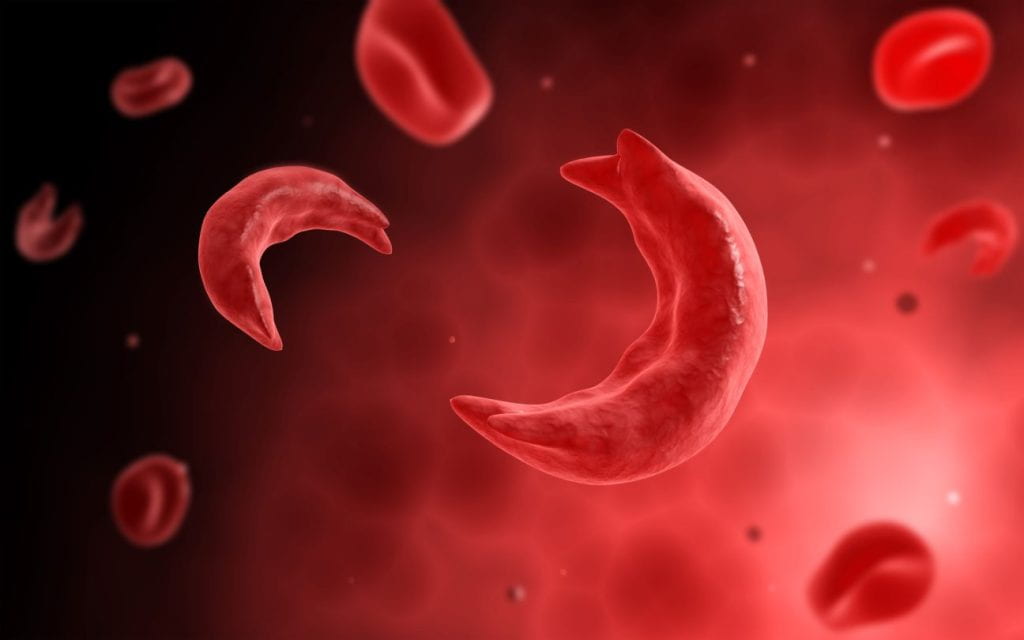
An NIH-funded, multi-site study to advance precision pain management for adolescents and young adults with sickle cell disease.
What is MIDAS
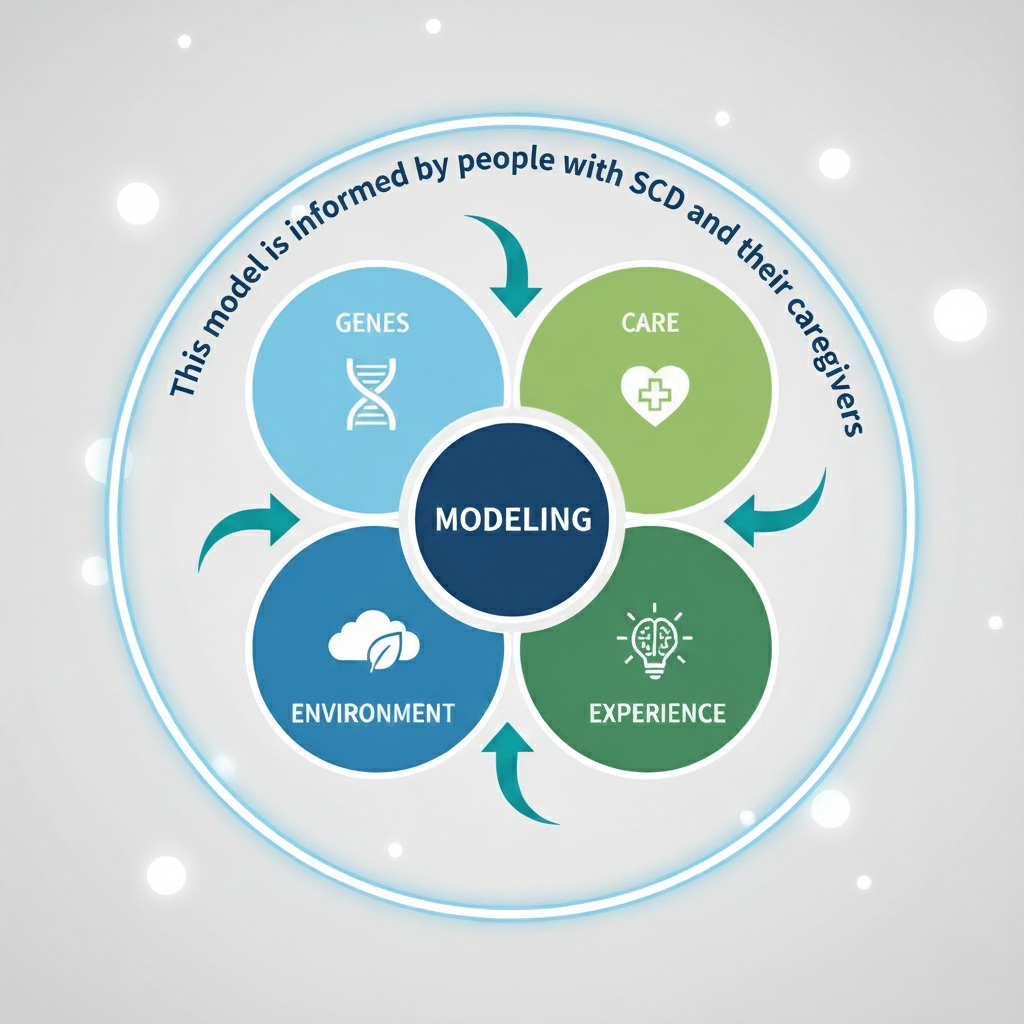
MIDAS (Modeling Inter-individual Differences to Address Pain of Sickle Cell Disease) is a five-year study focused on adolescents and young adults living with sickle cell disease (SCD). The project collects whole-person health data including genetics, social determinants of health, and psychosocial variables to understand why pain experiences vary so widely across individuals. By building computational models from these data, the MIDAS team aims to uncover the biological and psychosocial mechanisms behind pain and accelerate the development of precision, personalized approaches to pain care.
Unlike traditional approaches, MIDAS brings together expertise in genomics, neuroscience, pain management, nursing, medicine, data science and the lived experiences of people with SCD to capture a full picture of what drives pain in SCD. This means studying not only the physical aspects of pain, but also lifestyle, stress, environment, and psychosocial conditions that shape how pain is experienced and managed.
Ultimately, MIDAS is more than a research study. It is a step toward transforming care for SCD. By identifying patterns that predict pain episodes and treatment response, the study seeks to provide clinicians with tools to deliver the right care at the right time, improving quality of life for thousands of people living with SCD.
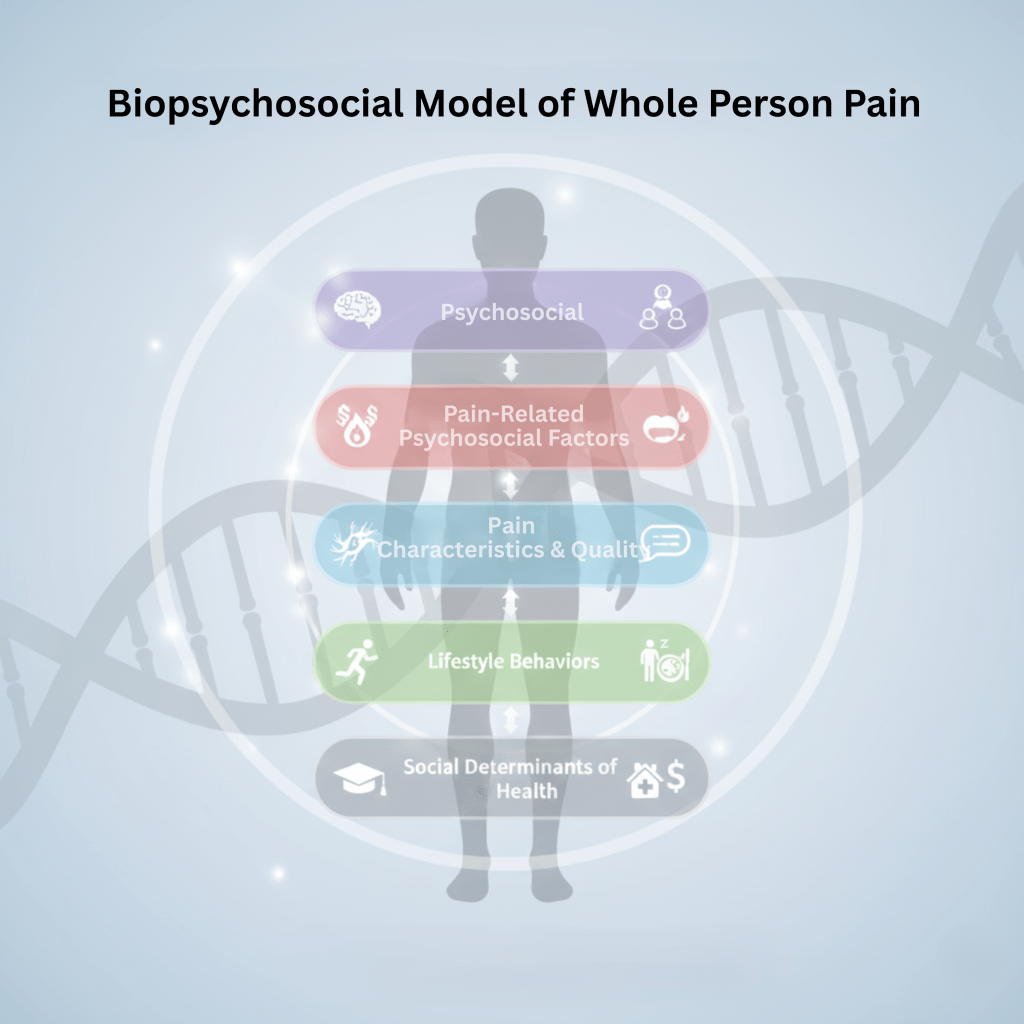
The Challenge of Pain in Sickle Cell Disease

Prevalence
About 100,000 African Americans live with Sickle Cell Disease

Hospitalizations
On average, people with SCD are hospitalized three times per year for acute pain. 10% of people with SCD account for 50% of hospitalizations.

Adolescents
As adolescents transition to adulthood, pain becomes more frequent and severe, increasing the risk of chronic daily pain and early death.
A Whole-Person, Data-Driven Study

Collect Data
We will enroll 1,000 Black adolescents and young adults (10–25 years of age) with SCD — a sample drawn from the estimated 100,000 Black Americans living with SCD in the U.S. Participants will be recruited from Chicago, Dallas–Fort Worth, Austin, Kansas City, and Ann Arbor.
From each participant, we will gather whole-person health data: genetic pain variants, medical history, hospitalizations, social determinants of health, and patient- and caregiver-reported experiences. This dataset will capture the diverse realities of living with pain from SCD and guide precision approaches to care.

Predict Pain Outcomes
Using data from 1,000 Black American adolescents and young adults with SCD across three U.S. regions, we will train and test machine learning models — including stochastic modeling, optimization, and natural language processing — to estimate the likelihood of frequent hospitalizations for acute vaso-occlusive crisis pain. By identifying predictors of high hospital use, we will evaluate treatment efficacy (opioid and non-opioid) and move toward tailored, precision pain management strategies.

Prevent Chronic Pain
We will use the same dataset and apply predictive modeling, AI-driven risk stratification, and advanced statistical approaches to determine the age at which adolescents with SCD transition to develop chronic daily pain. By integrating genetic pain variants, biopsychosocial data, and social determinants of health, these models will identify modifiable risk factors that contribute to the onset of chronic pain. Insights from this work will lay the foundation for future precision prescribing, early intervention, and prevention strategies that reduce suffering, hospitalizations, and long-term disability.
Engaging the Sickle Cell Community
"Living with sickle cell pain every day is exhausting. Being part of MIDAS means my experiences are finally shaping research that could change care for the future."
"Families like ours often feel invisible in healthcare decisions. With MIDAS, caregivers have a seat at the table to guide how pain is understood and treated."
The MIDAS Advisory Board ensures that people with SCD are not just patients, but partners in designing the study and shaping how results are shared.

Shaping the Future of Pain Management
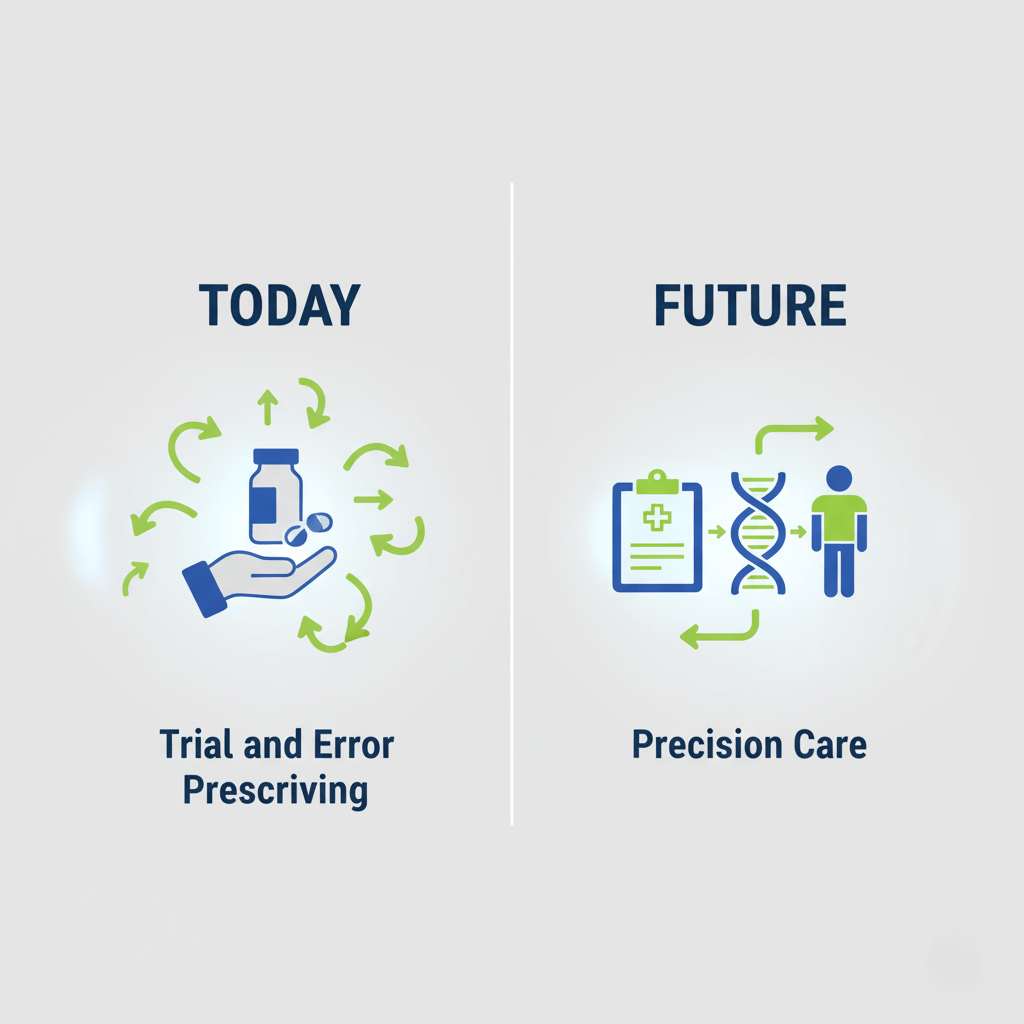
By integrating genetics, social determinants of health, and lived experience, MIDAS is creating models to predict pain and guide precision prescribing. This will help reduce unnecessary suffering, lower hospitalizations, and support equity in care for adolescents and young adults with SCD. In the future, instead of trial-and-error prescribing, healthcare providers will be able to deliver personalized pain management strategies that are safer and more effective.
Key Investigators and Collaborators
Principal Investigator
- Renee Manworren, PhD, APRN, PCNS-BC, PMGT-BC, AP-PMN, FAAN — Principal Investigator, Texas A&M University
Co-Investigators (Texas A&M University)
- Feinuo Sun, PhD — College of Nursing, Pain Demographer
- Jay Rosenberger, PhD — College of Engineering, Computational Modeling & Stochastic Optimization
- Chengkai Li, PhD — College of Engineering, Natural Language Processing
Co-Investigators (External)
- Erin Young, PhD — University of Kansas Medical Center, Pain Geneticist
- Jin Shai-Li, PhD, OT — Feinberg School of Medicine, Northwestern University, Psychometrician & Statistician
Consultants & Advocates
- Diego Reynoso, MD — Pediatric anesthesiologist with SCD
- Dwayne Okonma, BS — Graduate student and patient advocate with SCD
Clinical Site Investigators
- Kimberly Wittmayer, MSN, APRN, PCNS-BC, PMGT-BC, AP-PMN — Site PI, Advocate-Aurora Children's Hospital (IL)
- Daniel Choi, MD — Site Co-I, Advocate-Aurora Children's Hospital (IL)
- Clarissa Johnson, MD — Site PI, Cook Children's Health Care System (Fort Worth, TX)
- Timothy L. McCavitt, MD, MS — Site Co-I, Cook Children's Health Care System (Fort Worth, TX)
- Lindsey Patton, PhD, APRN, PCNS-BC — Site PI, Children's Health (Dallas & Plano, TX)
- Olufunke Yetunde Martin, MD — Site Co-I, Children's Health & UT Southwestern
- Wendy Darlington, MD — Site PI, University of Chicago Medicine / Comer Children's Hospital
- Eric L. Scott, PhD — Site Co-PI, University of Michigan, Mott Children's Hospital
- Elizabeth A. Pasternak, MS, RN, CHPPN — Site Co-PI, University of Michigan, Mott Children's Hospital
- Olivia Veatch, PhD, MS — Children's Mercy Hospital (Kansas City, MO), Molecular Genetics & Bioinformatics
- Rae Ann Kingsley, DNP, APRN, CPNP-AC/PC, AP-PMN, BC-PMGT — Site PI, Children's Mercy Hospital (Kansas City, MO)
- Christina Cotton, DNP, APRN, CPNP-AC/PC — Site PI, Dell Children's Medical Center (Austin, TX)
Recruitment Sites
 Funding: National Heart, Lung, and Blood Institute (NIH) — Grant 1R01HL178882-01